
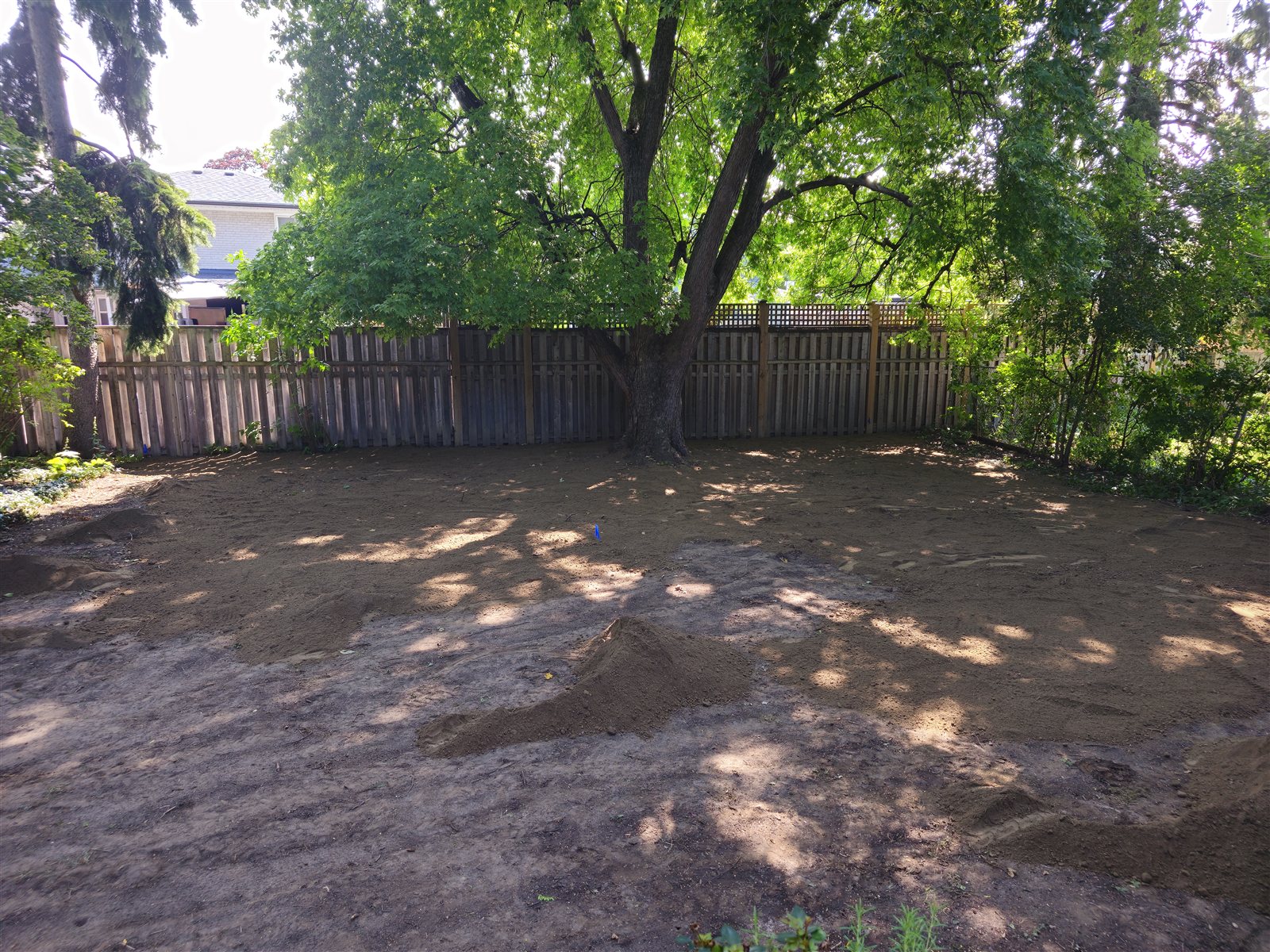
Kentucky Bluegrass needs at least 4-6 hours of direct sun to stay thick and healthy - in heavy shade it will thin out or fail. What that means for your
Category: Uncategorized
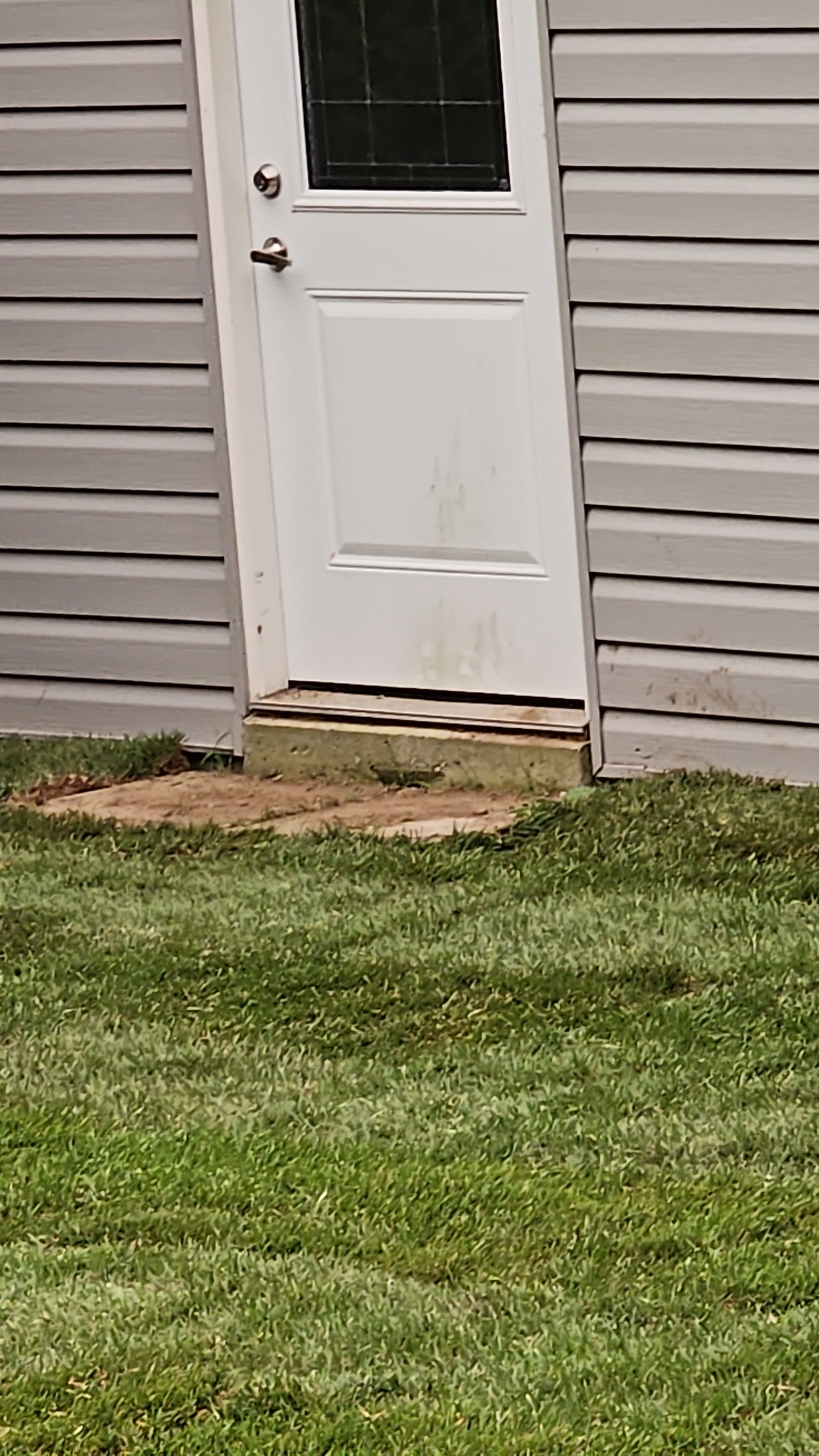
Fertilizing New Sod: When and How to StartFertilizing New Sod: When and How to Start
Wait 4-6 weeks after installation before fertilizing new sod, and skip weed-and-feed products - the herbicide can stress roots that arent established yet.
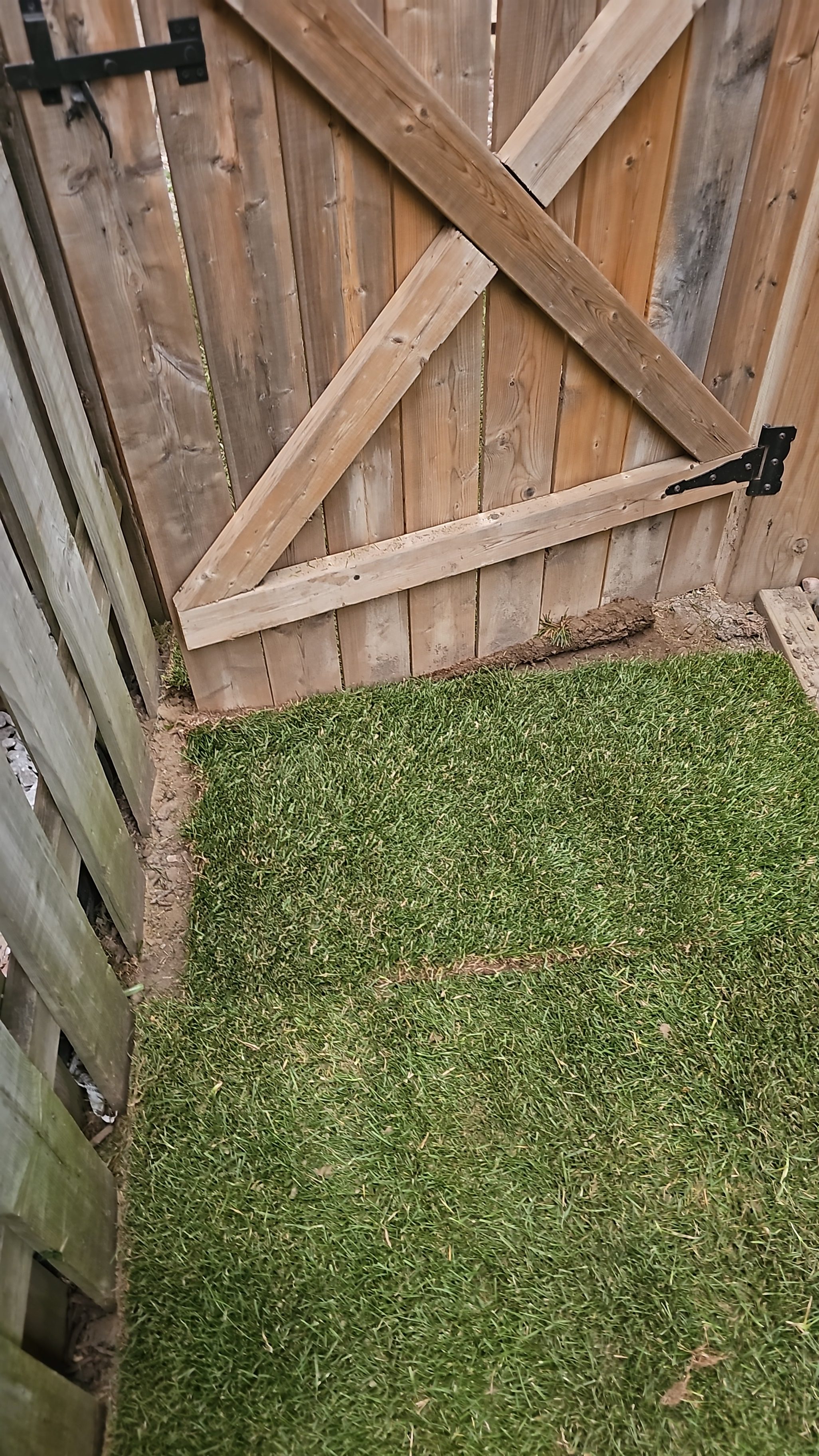
How Long Before You Can Walk on New Sod?How Long Before You Can Walk on New Sod?
Stay off new sod for the first 2 weeks so roots can knit in. Light foot traffic is fine once it passes the tug test (week 2-3) - here's the
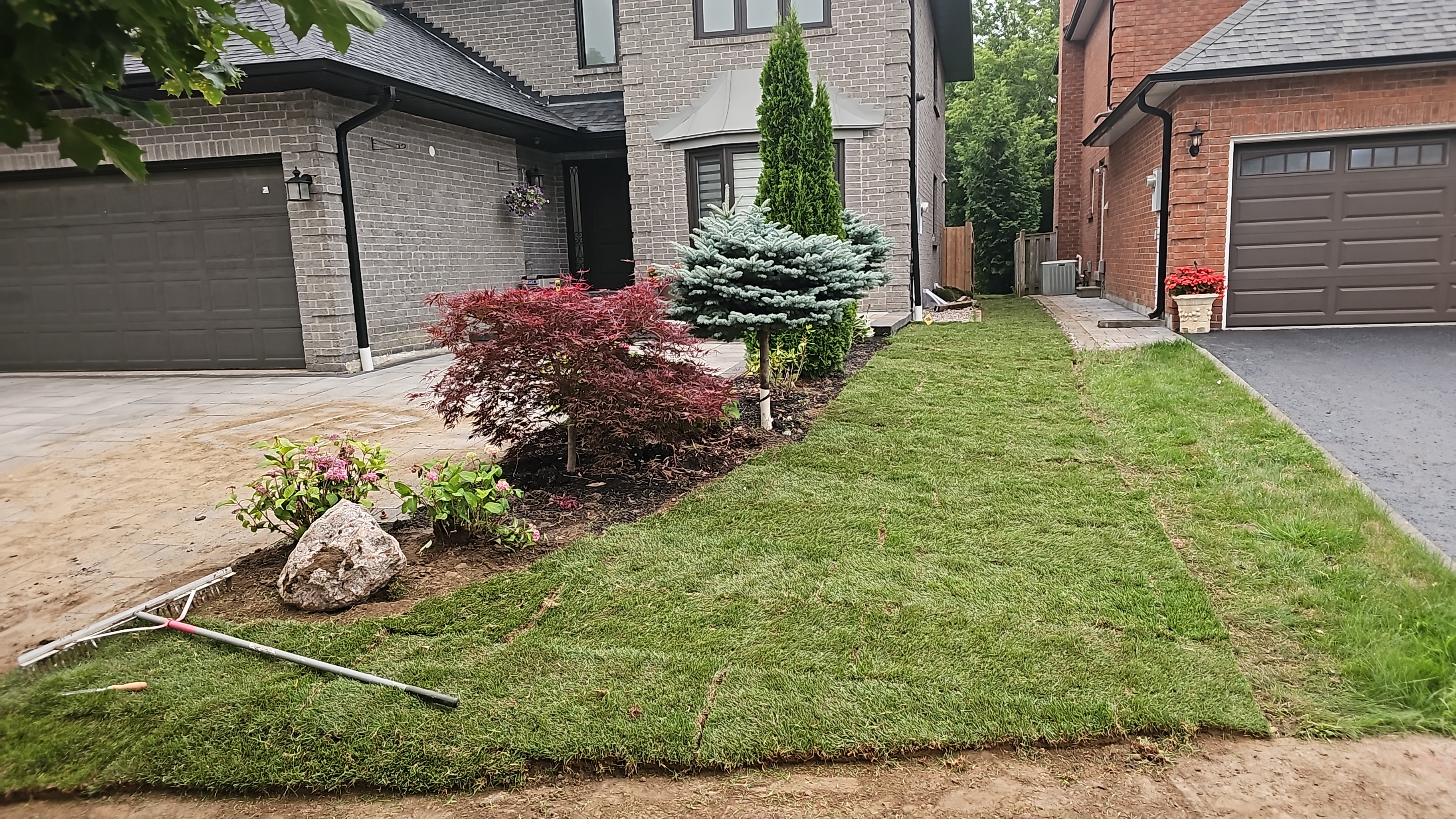
Do You Need to Aerate or Dethatch Before Sod Installation?Do You Need to Aerate or Dethatch Before Sod Installation?
If youre replacing your lawn with new sod, aeration and dethatching are the wrong tools - a sod install strips the old lawn to bare soil, thatch and all.

Winterizing New Sod: How to Protect a Fall-Installed Lawn Before the First FrostWinterizing New Sod: How to Protect a Fall-Installed Lawn Before the First Frost
Fall sod needs less frequent watering, one final mow at the right height, and frost protection if an early freeze hits before roots knit in.

Sod vs. Hydroseed: Which Costs Less and Establishes Faster?Sod vs. Hydroseed: Which Costs Less and Establishes Faster?
Hydroseed costs less upfront but takes 4-6+ weeks to establish. Sod costs more but gives you a walkable lawn in about 2-3 weeks. Here's the honest comparison.

How to Fix a Bumpy, Uneven Lawn (Topdressing and Leveling Guide)How to Fix a Bumpy, Uneven Lawn (Topdressing and Leveling Guide)
Small dips fix with topdressing. Deeper or widespread unevenness means the grading underneath needs to be corrected before it will ever stay level.

Commercial Sod Installation & HOA Projects Across the GTACommercial Sod Installation & HOA Projects Across the GTA
Commercial sod installation for office buildings, retail plazas, and HOA common areas across the GTA - same grading, Kentucky Bluegrass, and take-root guarantee as residential.

How to Fix Dog Urine Spots on Your Lawn (and Keep Them From Coming Back)How to Fix Dog Urine Spots on Your Lawn (and Keep Them From Coming Back)
Dog urine spots are a nitrogen problem, not a soil problem: dilute a fresh spot with water right away, then patch or overseed the dead patch once it browns.
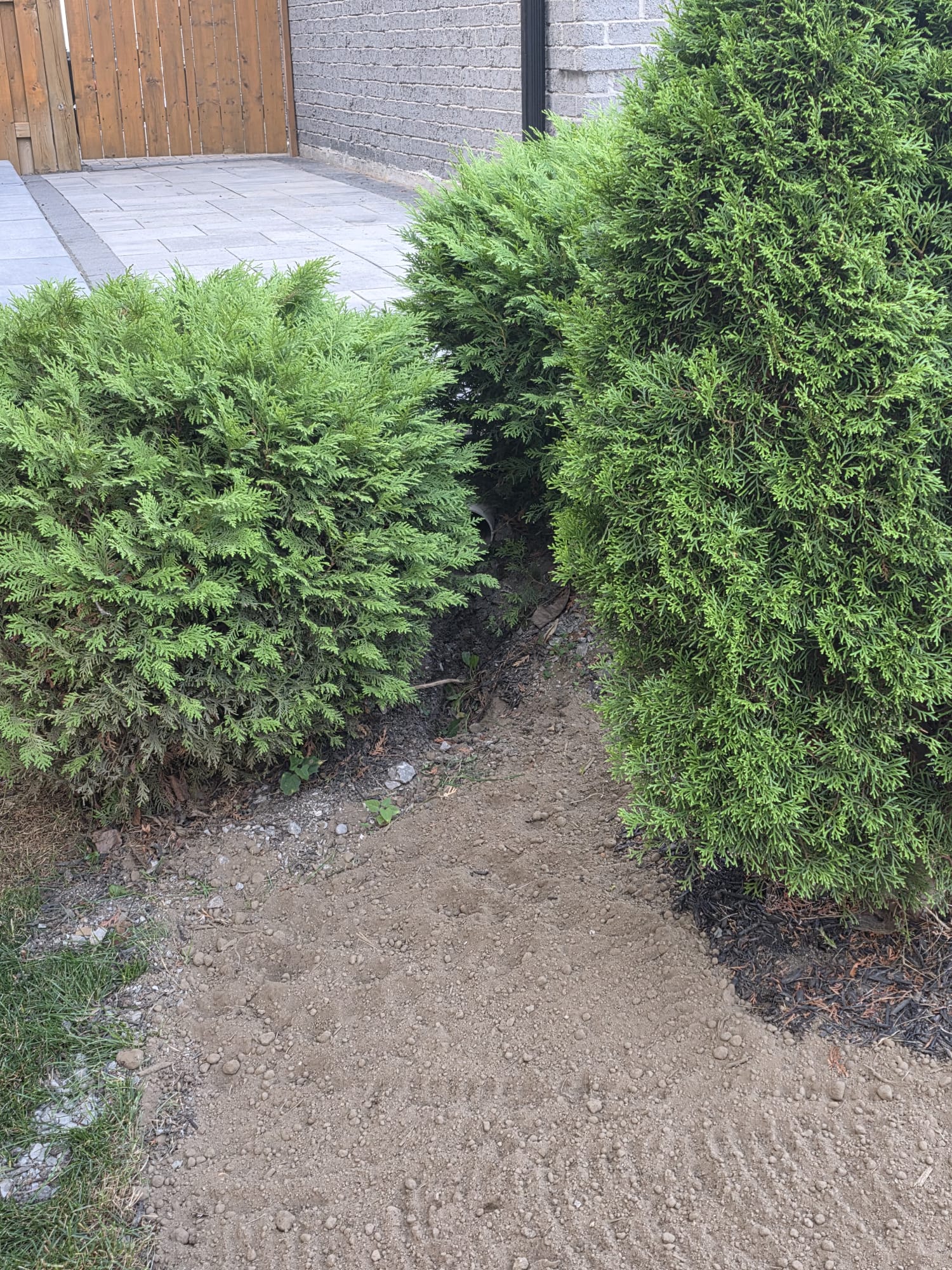
Why Does Water Pool on My New Lawn? Drainage Problems Before SoddingWhy Does Water Pool on My New Lawn? Drainage Problems Before Sodding
Standing water on a lawn almost always comes down to grading, not the grass - a low spot, compacted soil, or a slope toward your house instead of away.